the ring is in my eye
but I,
I am also in the ring
Looking in between the inscription and the engraving on the modern posy ring
From Lost Owl's
"A History of Resistance and Solidarity Jewellery"
"Moments of defiance will flood the banks of the Empire's authority and then there will be one too many. One single thing will break the siege. Remember this. Try."
Karis Nemik
The first chapter of Lost Owl's History of Resistance and Solidarity Jewellery followed the Goddess Ceres from the Roman Republic until the mid 1800s. Click here if you haven't read it
Introduction
For many historians, the Modern World and Modern History begins around the late 1700s and ends with the beginning of the Contemporary Era after the Second World War. This period spans the Georgian and Victorian eras - taking off with the American and French revolutions and spurred on by industrialisation - through Arts and Crafts, Belle Epoque and Art Deco until Post-war Modernism - understood as “contemporary”.
Interestingly, (and critically for our story today) if the Modern Era is defined as such (c.1760 - c.1945), it is bookended with the invasions and occupations of the same country: Poland.
And it is here, I will argue, that in that period and in that country, the first "Modern Posy Ring" was made...
In 1772, the great powers of the day - Prussia, Austria, Russia - began a process of annexation which would forever bring to an end the Poland-Lithuania Commonwealth (or, the Kingdom of Two Republics).
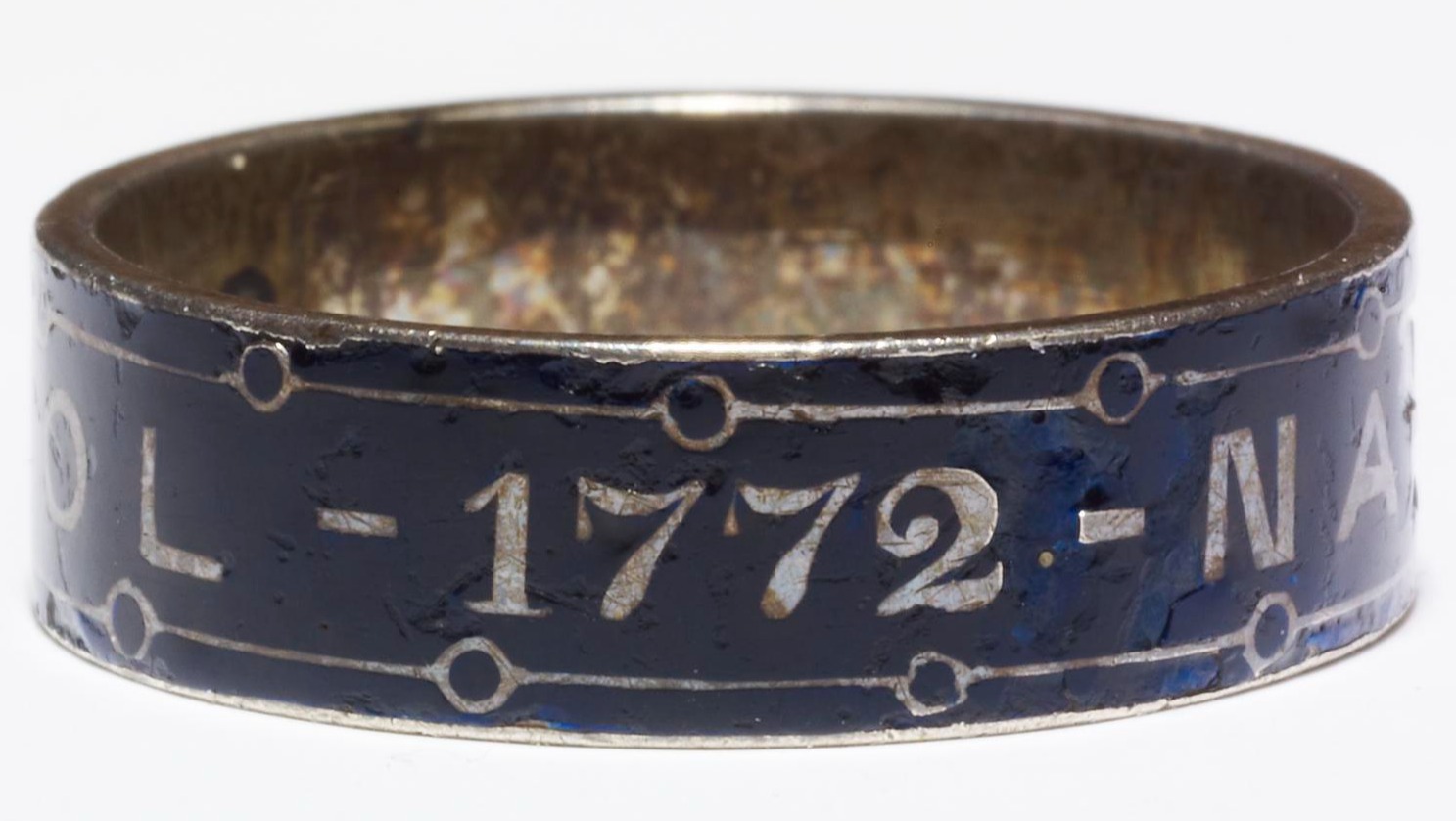
Polish finger-ring: silver, dark blue enamel. Inscription translation:
"In remembrance of the partition of Poland"
The British Museum
After the First World War, a Second Polish Republic was created. But the modern era would soon come full circle. First invaded by the Nazis and The Soviets in 1939, the Second Republic was then occupied by Stalin's Russia after the Second World War and turned into a Soviet satellite.
18th Century Paintings (see below) served as blueprints for the reconstruction of Warsaw after the city was flattened in the war.
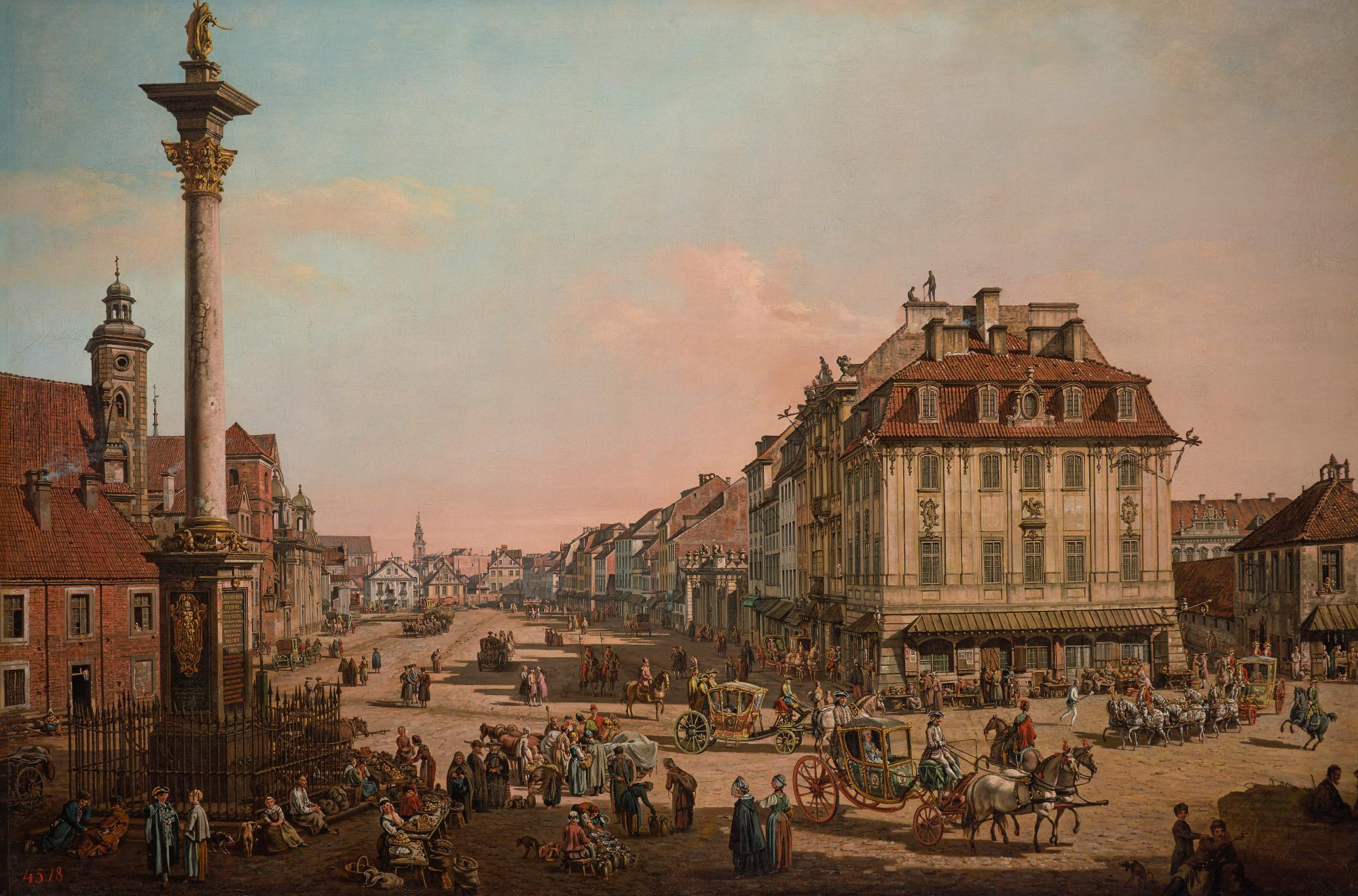
Cracow Suburb (Krakowskie Przedmieście) as seen from the Cracow Gate, 1767/1768; Bernard Bellotto
This second instalment of Lost Owl’s History of Solidarity and Resistance Jewellery will follow short tales from the astonishing histories of the great people of Poland-Lithuania during the Modern Era.
The Polish people resisted the great powers for over two centuries, until the collapse of the Soviet Union and the creation of Third Polish Republic in 1989.
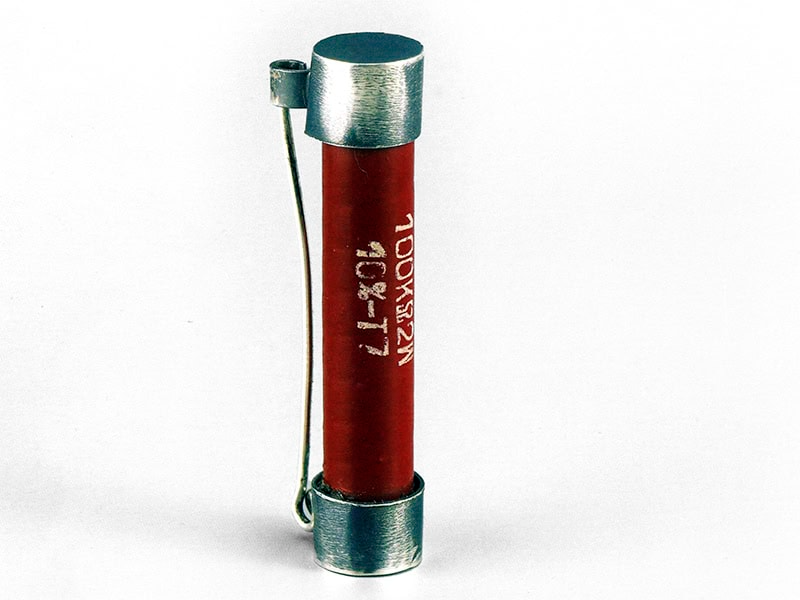
Resistor Brooch: silver, resistor (electronic component) by Mariusz Pajączkowski (1982)
photo: Jerzy Malinowski
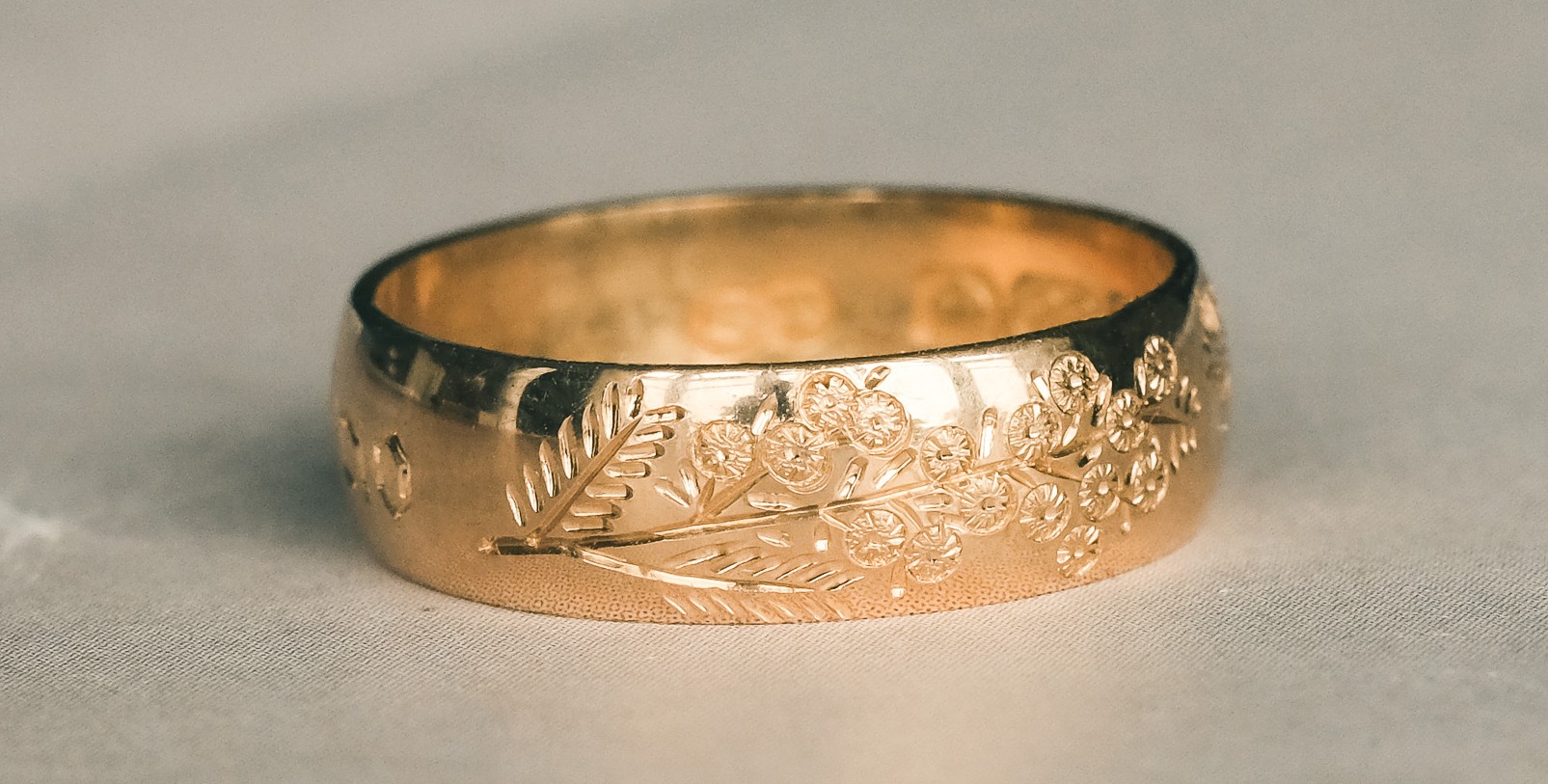
Polish Rings, Polish Resistance: Liberty or Death I
But, - in order to tie this together with the Modern Posy Ring - our story must necessarily begin in the southern colonies of the British Empire in North America.
Exactly 250 years ago, at the time of writing, in the St. John’s Church in Richmond, Virginia, a speech given by Patrick Henry was attended by an audience including George Washington and Thomas Jefferson.
At the dawn of the American Revolution, Patrick Henry declared…
“Gentlemen may cry Peace, Peace, but there is no peace. The war is actually begun!
What is it that gentlemen wish? What would they have?
Is life so dear, or peace so sweet, as to be purchased at the price of chains and slavery?
Forbid it, Almighty God!
I know not what course others may take; but as for me, give me liberty or give me death!”
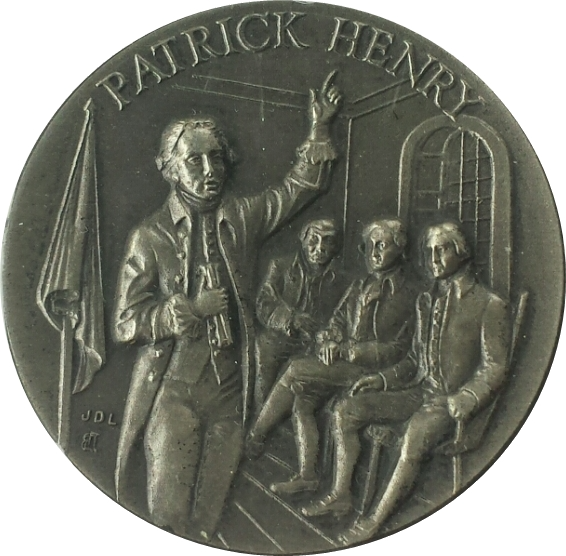
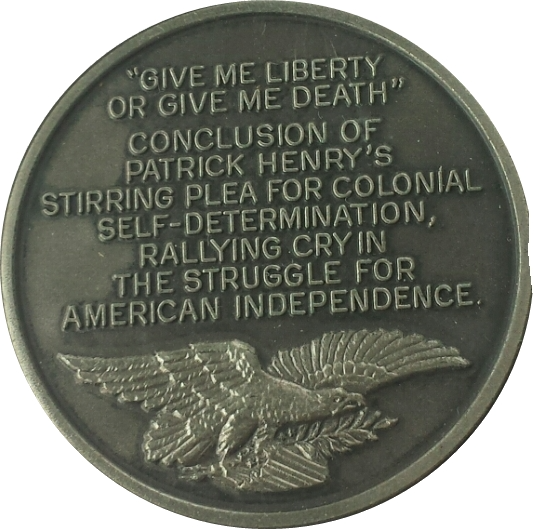
Silver Medal engraved by Joseph DiLorenzo (20th Century)
Henry’s intervention was pivotal. It paved the way for the formation of the first militias of the American Revolution. And in 1776, the same year as the American Declaration of Independence, a Polishman arrived in Philadelphia, seeking out Benjamin Franklin.
The Pole was called Andrzej Tadeusz Bonawentura Kościuszko (or, Thaddeus Kosciuszko). Benjamin Franklin taught him engineering. And for the better part of the following decade, Kosciuszko served as colonel of engineers building fortifications across the country in the fight for its independence.
After the revolution Kosciuszko returned to his native Poland-Lithuania where another revolution was brewing.
His country had passed a liberal constitution - the first since the American. Russia, fearing the rise of constitutional-liberalism in Europe invaded and from 1784 to 1792, Kosciuszko led the defence without losing a single military confrontation despite overwhelming odds. But his King called for an end to hostilities allowing for Russia and Prussia to annex the Poland-Lithuania Commonwealth a second time.
Taking matters into his own hands, in 1794 Kosciuszko organised his own uprising - but it failed.
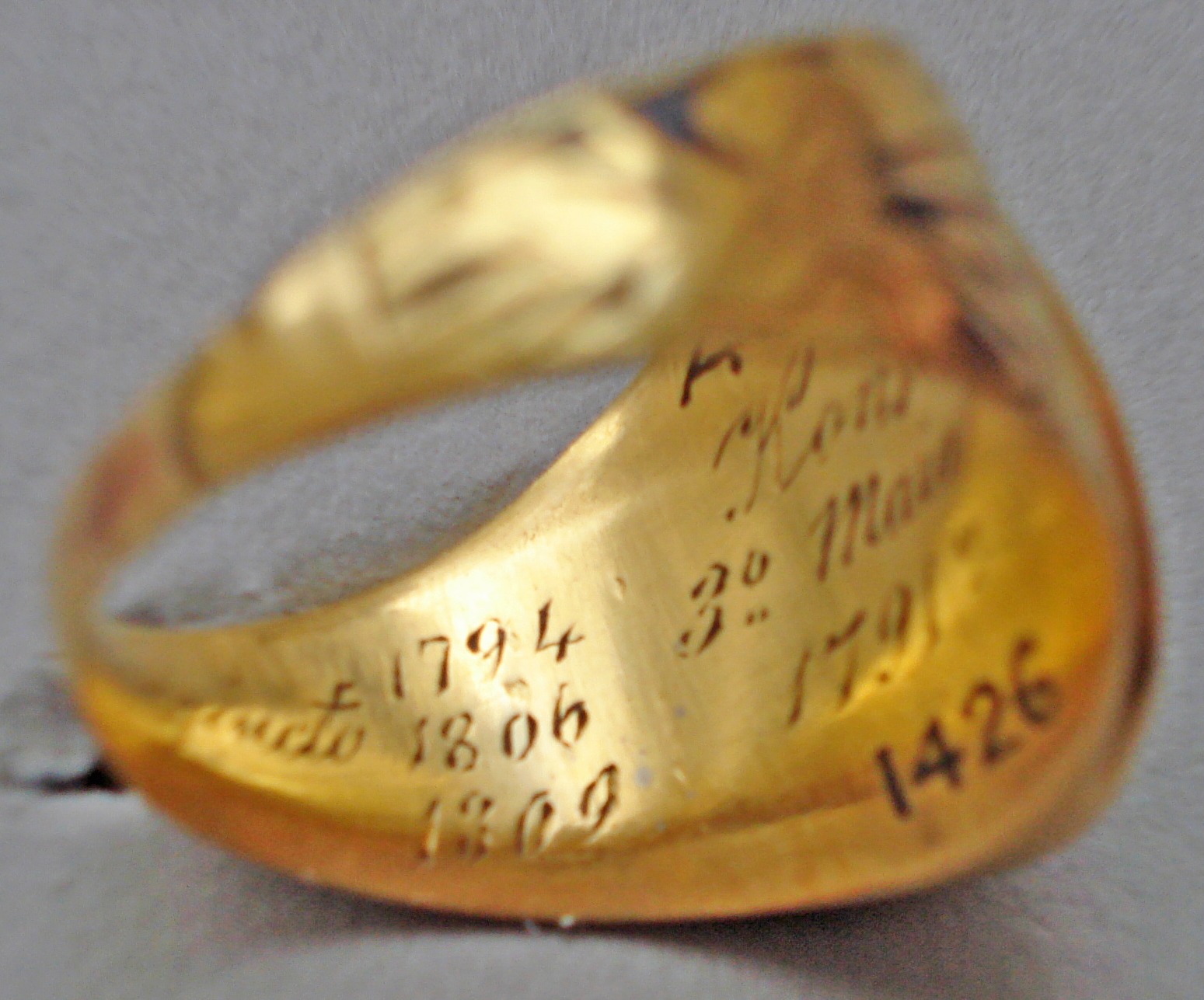
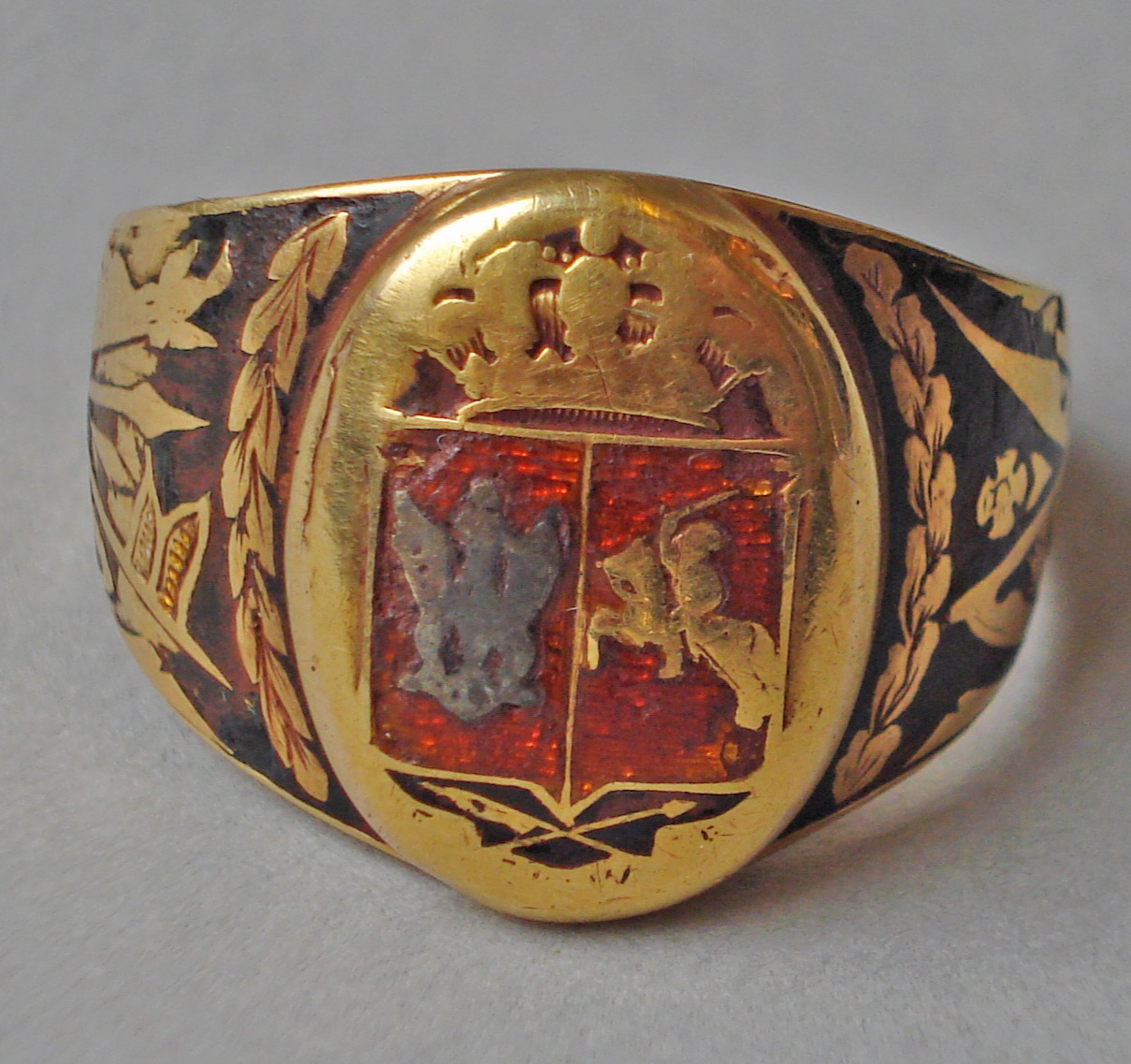
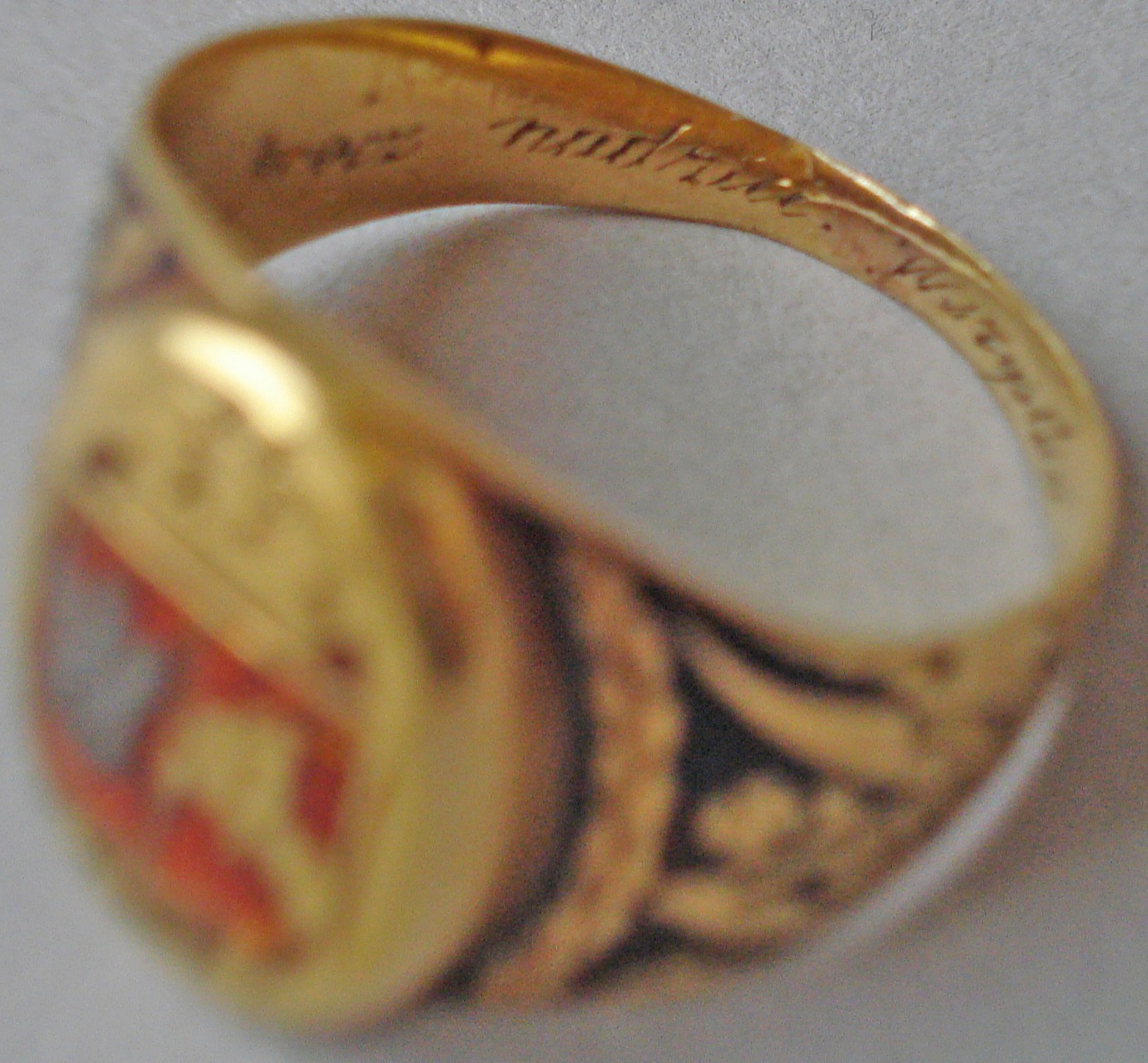
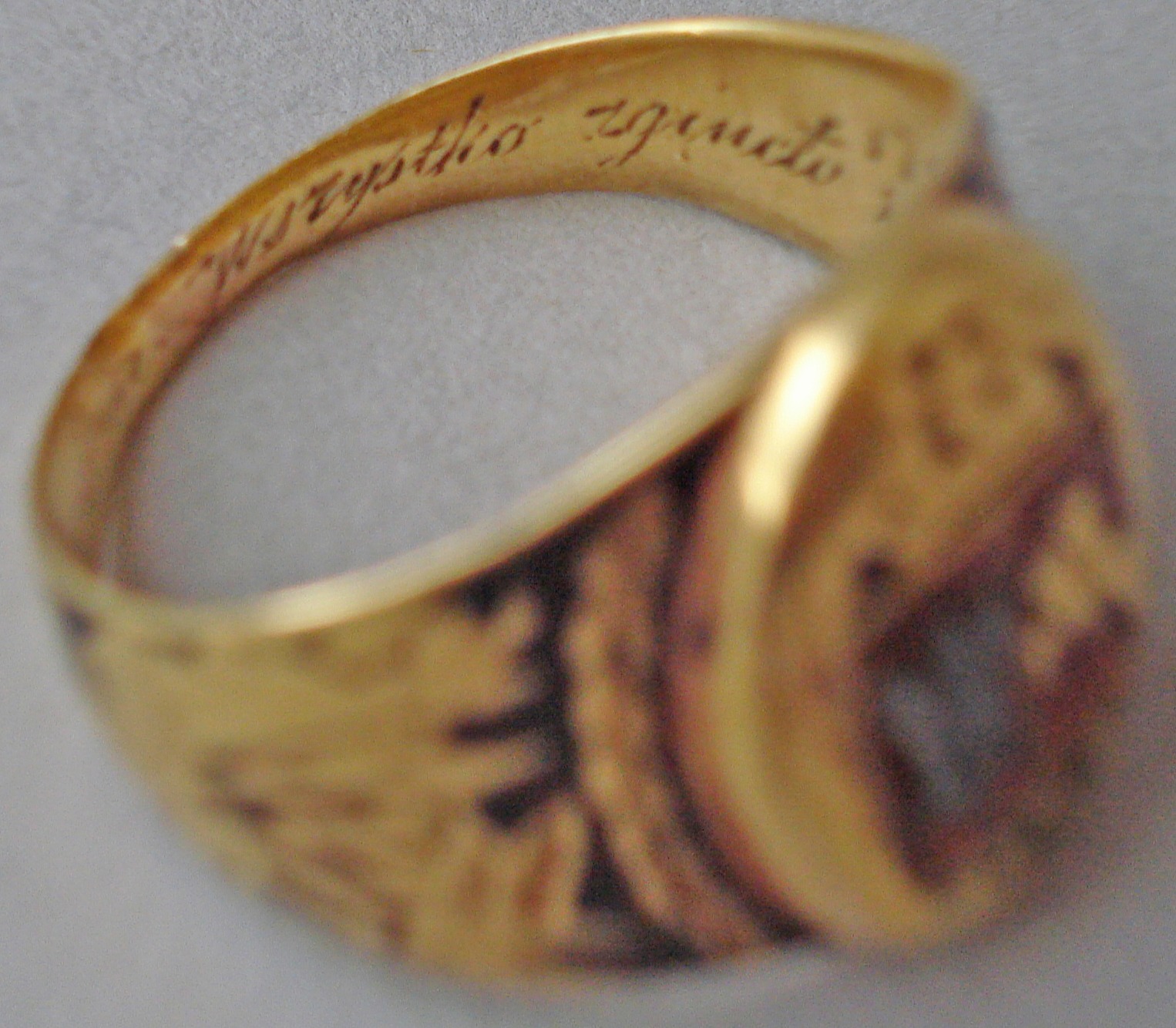
Gold and Enamel Finger Ring from The British Museum (19thC)
"The dates refer to various important periods in the history of Poland."
Sisters and Brothers
In 1787 the British Abolitionist Movement adopted a symbol, designed by Josiah Wedgwood, with the slogan “am I not a man and a brother”.
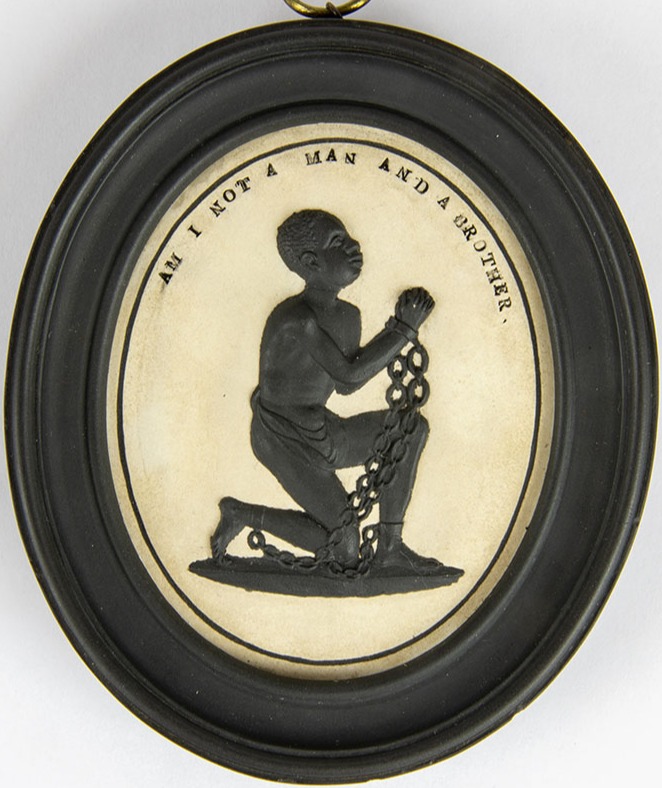
'"Am I Not a Man and a Brother?", imitation of Wedgwood anti-slavery medallion, unknown maker, about 1790, Victoria and Albert Museum, London
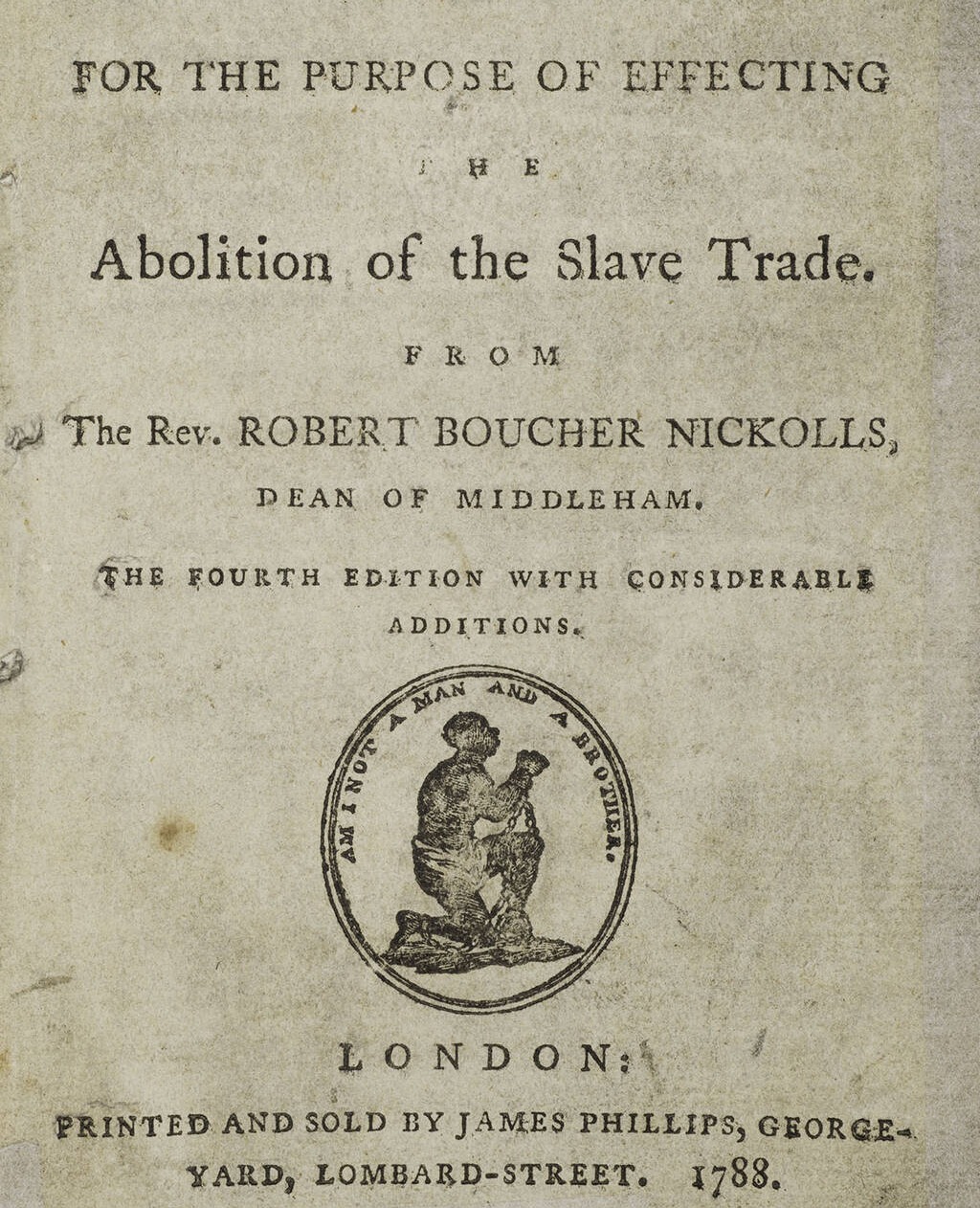
There is clearly a problem with this design.
The obvious answer to the question it poses, given the image, is “no”.
A free man would not kneel. He would not plead, submissive before his brother. Nor would he require any clarification as to his status. For these reasons the imagery has been widely criticised.
Several decades after its creation, it was noticed that women had not been included in the message...
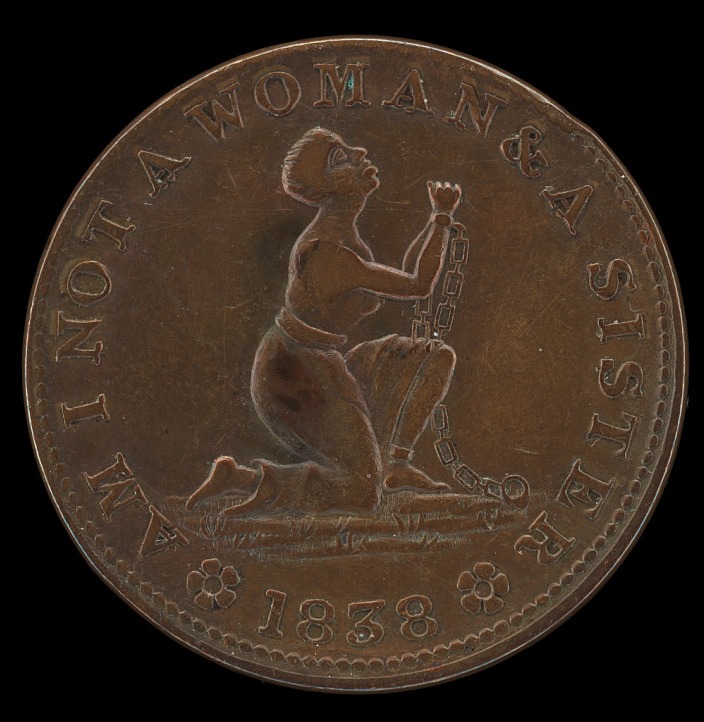
Copper Token
Commissioned by the American Anti-Slavery Society (1833 - 1870), Manufactured By Gibbs, Gardner and Company (1838)
At that time - towards the end of the 1700s - Hispaniola which is today the island that consists of Haiti and the Dominican Republic, was divided between French and Spanish colonial rule.
Approximately 90% of the French colony’s population were slaves.
In 1791 the slaves organised a massive uprising against their oppressors. Maximillien Robespierre and Gracchus Babeuf were staunch abolitionists. “Perish your Colonies”, Robespierre had declared in the months leading up to the Haitian Revolution.
The same year that Poland-Lithuania suffered its final, terminal partition, the Haitian uprising achieved the only successful victory of slaves over slavers in history. And in 1794, Haiti - still a French territory - abolished slavery. Under Robespierre’s leadership the French National Convention decreed that...
“ all men, without distinction of colour... are French citizens and will enjoy all the rights assured by the constitution."
But by the end of the decade, both Robespierre and Babeuf would be guillotined, and the French Revolution would take a conservative turn. The Haitian revolution was not over yet.
When Kosciuszko, the great Polish revolutionary, was released from his Russian prison cell he returned briefly to The Untied States. It was during this second period in the US that he become closely acquainted Thomas Jefferson.
Before Kosciuszko left the US for the last time - the country he had helped liberate - he drafted his will.
Kosciuszko wrote:
"should I make no other testamentory disposition of my property in the United States I hereby authorise my friend Thomas Jefferson to employ the whole thereof in purchasing Negroes from among his own or any others and giving them Liberty in my name."
In the final years of his life, Kosciuszko would criticise the failure of the American revolution to extend rights to all, to abolish slavery. Perhaps it was for a similar reason that Kosciuszko was no admirer of Napoleon, who came to power shortly after Kosciuszko returned to Europe.
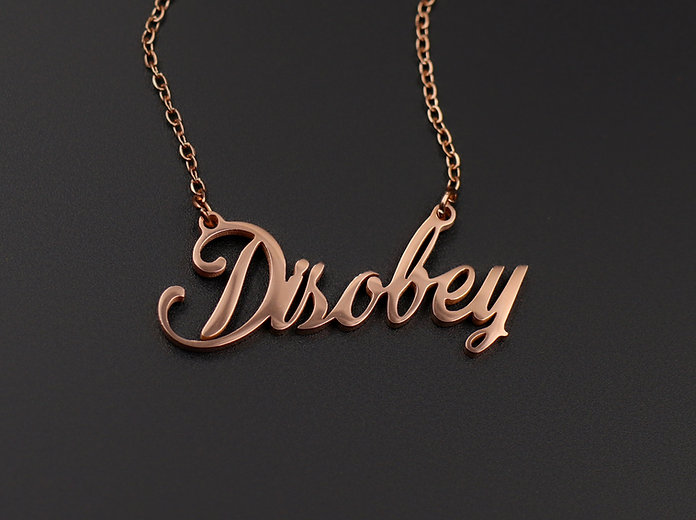
Topple and Burn: 18 inch chain, high quality surgical steel. 100% nickel & copper free
After the successful slave uprising in Haiti, Napoleon sent his fleets to the Caribbean island. The army travelling from France was approximately 1-fifth Polish - exiles from the fallen Poland-Lithuanian Commonwealth.
Napoleon intended to put down the Rebellion and put his slave colony back to work.
The Polish Legions fighting for Napoleon - unlike Kosciuszko - believed Napoleon to be the liberator of Europe, a liberator who was visiting defeat on the Austrians and the Prussians who had partitioned Poland.
When the French armies arrived in Haiti - likely unaware that their purpose was to restore the territory to its previous slave-colony status - the Polish legions immediately began defecting. Supposedly in the final bloody battle of the Haitian Revolution - the Battle of Vertières -, upon hearing the Haitian Resistance singing the French revolutionary song La Marseillese, the last loyal Polish Legions changed sides, and turned against the French Imperial forces.
The Polish Legions saw Haitians as brothers and sisters, as victims too of great-power domination fighting for their freedom; something all-too familiar for the Polish exiles.
Having sent the Spanish and the British fleets homeward a decade earlier when they abolished slavery, the Haitians, now in the company of their new Polish comrades, watched the French follow suit.
The ex-slave Jean Jacques Dessalines, leader of the Haitian Revolution, declared independence from France. The title of the Declaration was “Liberté ou la Mort,” - liberty or death.
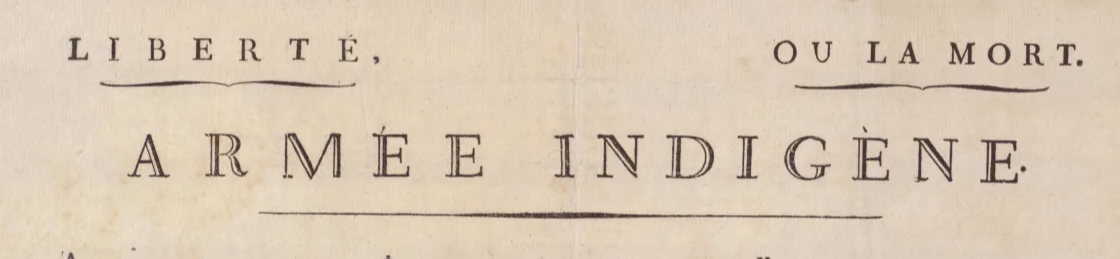
Haitian Declaration of Independence, 1 January 1804, The National Archives of the United Kingdom.
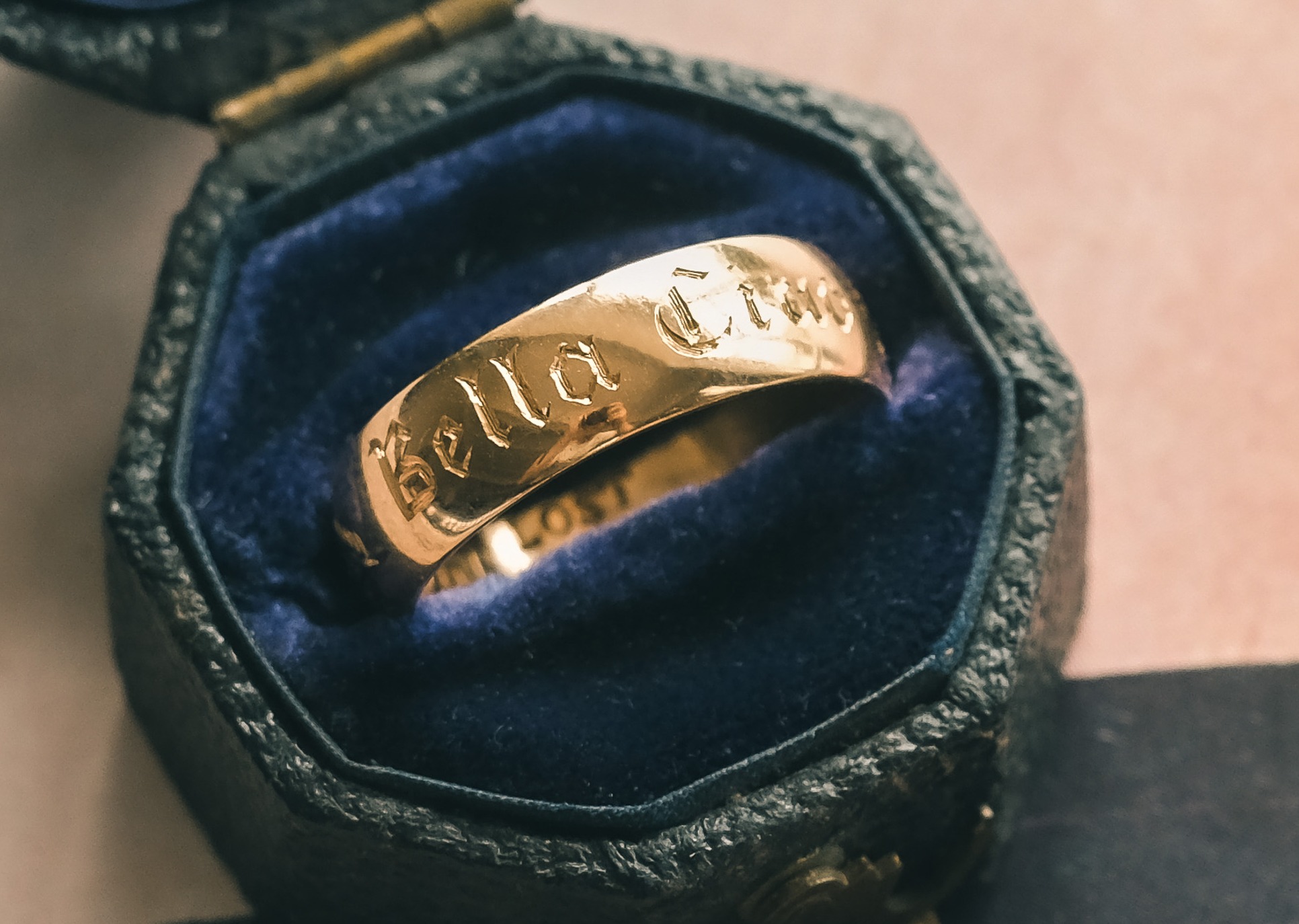
The Modern Posy Ring; Liberty or Death II
The founding father Patrick Henry died in 1799. But his words at the outset of the American “give me liberty or give me death!” would ring loudly in revolutionary moments across Europe, to Ireland and to the Caribbean for at least a century thereafter. Even today it is not forgotten.
Lord Byron - the great English Romantic poet went to Greece in 1823. The Greeks were rising up against Ottoman occupation. Byron and a Greek Revolutionary General, were planning an attack on a Turkish fortress. Eleftheria i thanatos (Ελευθερία ή Θάνατος) -Freedom or Death was the rallying cry of the Greeks.
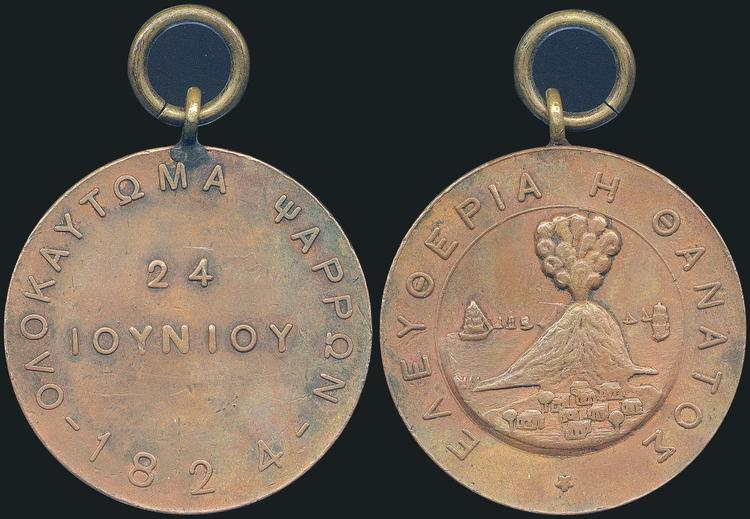
Bronze medal from 1924 commemorating the Psara holocaust.
Inscription translation: LIBERTY OR DEATH, HOLOCAUST OF PSARE - 24 JUNE 1824.
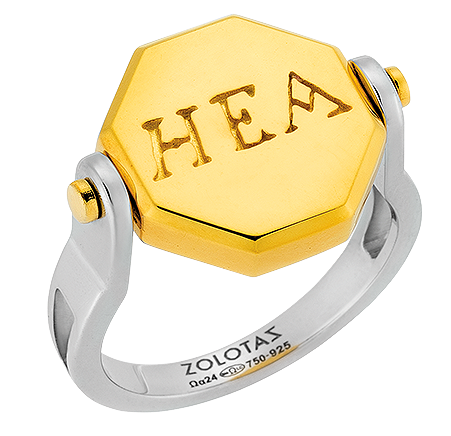
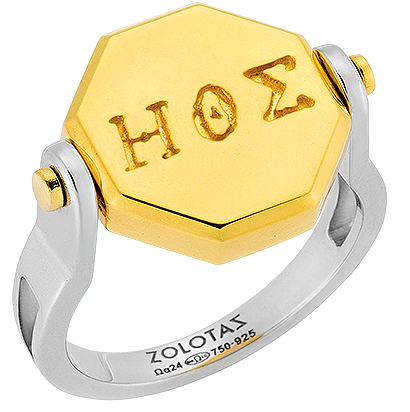
SEALS OF LIBERTY 1821 by ZOLOTAS
FREEDOM OR DEATH ring in 18KT yellow gold and 925 silver
There are at least two more significant uses of the motto in the English-speaking world.
Emmeline Pankhurst, the infamous militant English Suffragette, gave a speech in Connecticut on November 13th 1913 where she declared...
“either women are to be killed or women are to have the vote”
The speech connected women’s suffrage with American Independence and the Irish struggle for liberty and was entitled "Freedom or Death" .
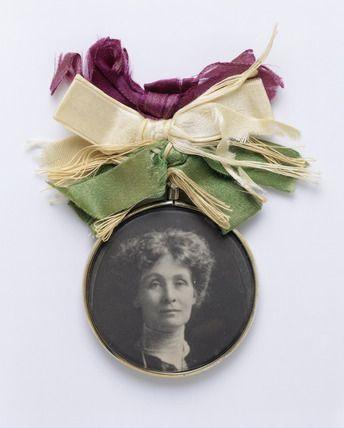
Glass-fronted medallion, containing portrait of Mrs. Emmeline Pankhurst and suspended from ribbons. Museum of London.
However, 50 years earlier, "Liberty or Death" had appeared on banners of the pro-salvery militias of The Confederate States of America. The Confederacy took Patrick Henry - a slave owner like many of the founding fathers - interpreting his words as a defence against the intervening federal government. Freedom now meant freedom from expanding federal interventions seeking to deprive the individual of their property and their freedom to run an economy based on chattel slavery.
But in Jean Luc Godard’s movie “La Chinoise”, there is a shot of a living room wall with painted words reading “It is necessary to confront vague ideas with clear images.”
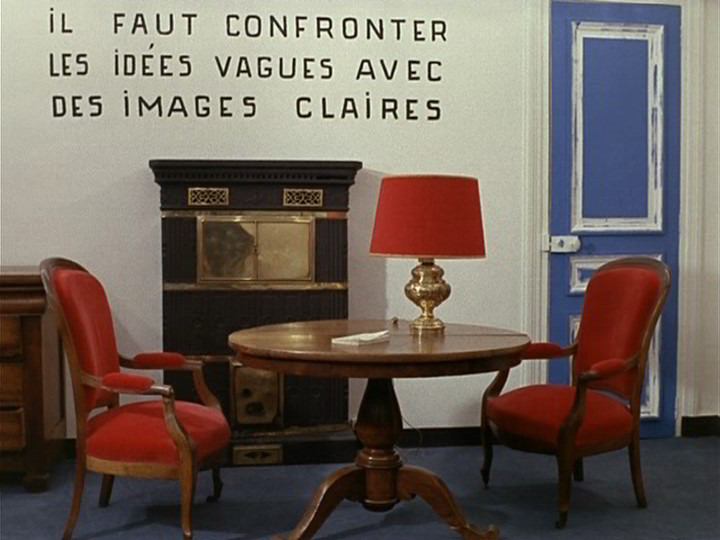
Freedom and Liberty are vague ideas.
As Emmeline Pankhust herself said in her "Freedom or Death" speech:
"We found that all the fine phrases about freedom and liberty were entirely for male consumption… We found that 'Government of the people, by the people and for the people', which is also a time-honoured Liberal principle, was again only for male consumption."
Pankhurst continued:
Every principle of liberty enunciated in any civilised country on earth, with very few exceptions, was intended entirely for men”
Women, certainly, were always omitted from “Freedom and Liberty”, as were racial minorities, as were the working classes - many of whom, at the time of Pankhurst’s speech, were also denied the right to vote on the grounds that they did not own a property - or that there property was not sufficiently valuable.
Conclusion: Rings that Look Back, a meditation on Modern Posy Rings
Consider, again, the ring of the Polish-Lithuanian commonwealth:
In what sense is this fascinating ring the first Modern Posy RIng?
Isn’t there a curious space - a “gap” - between inscription and engraving?
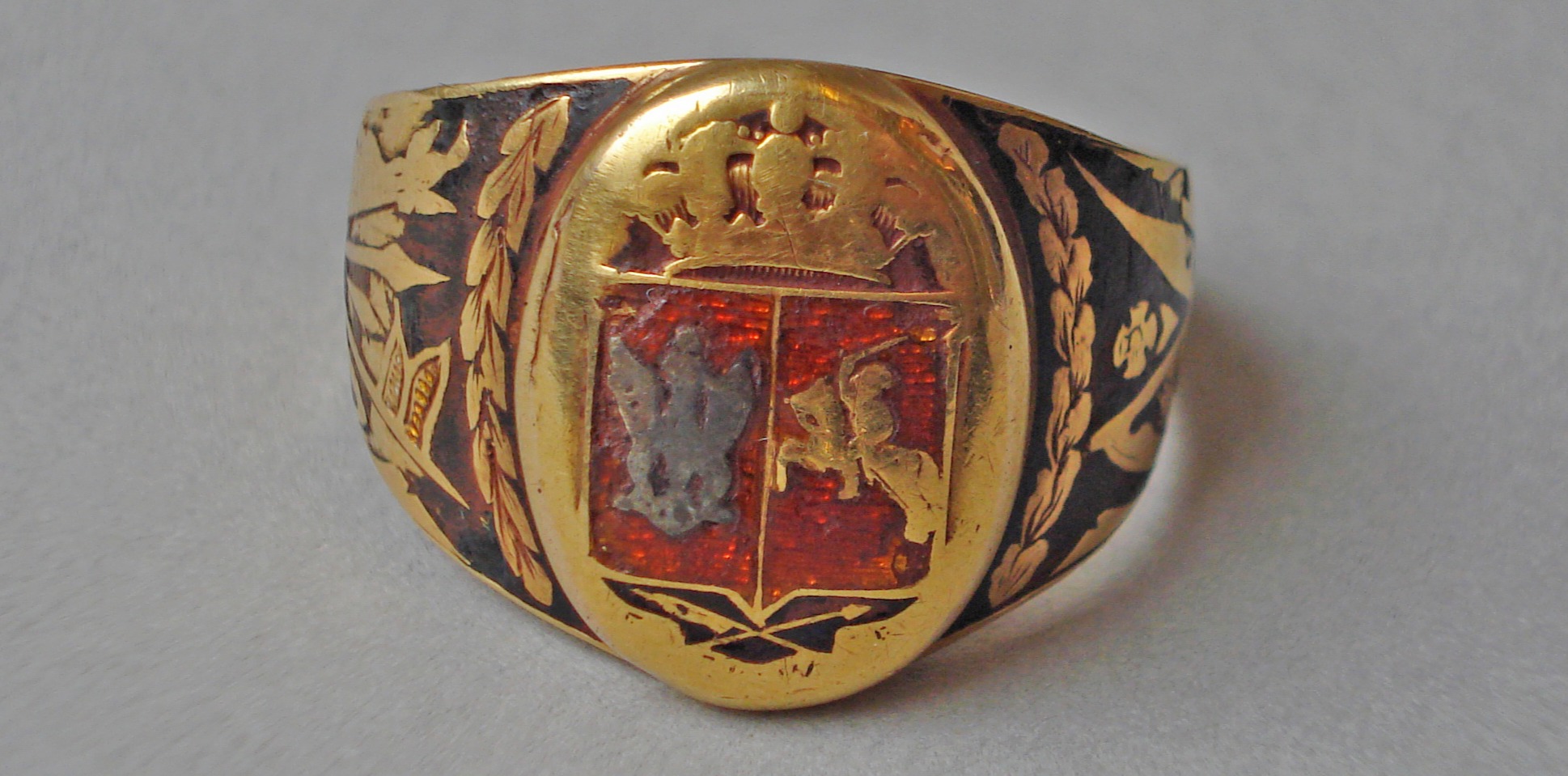
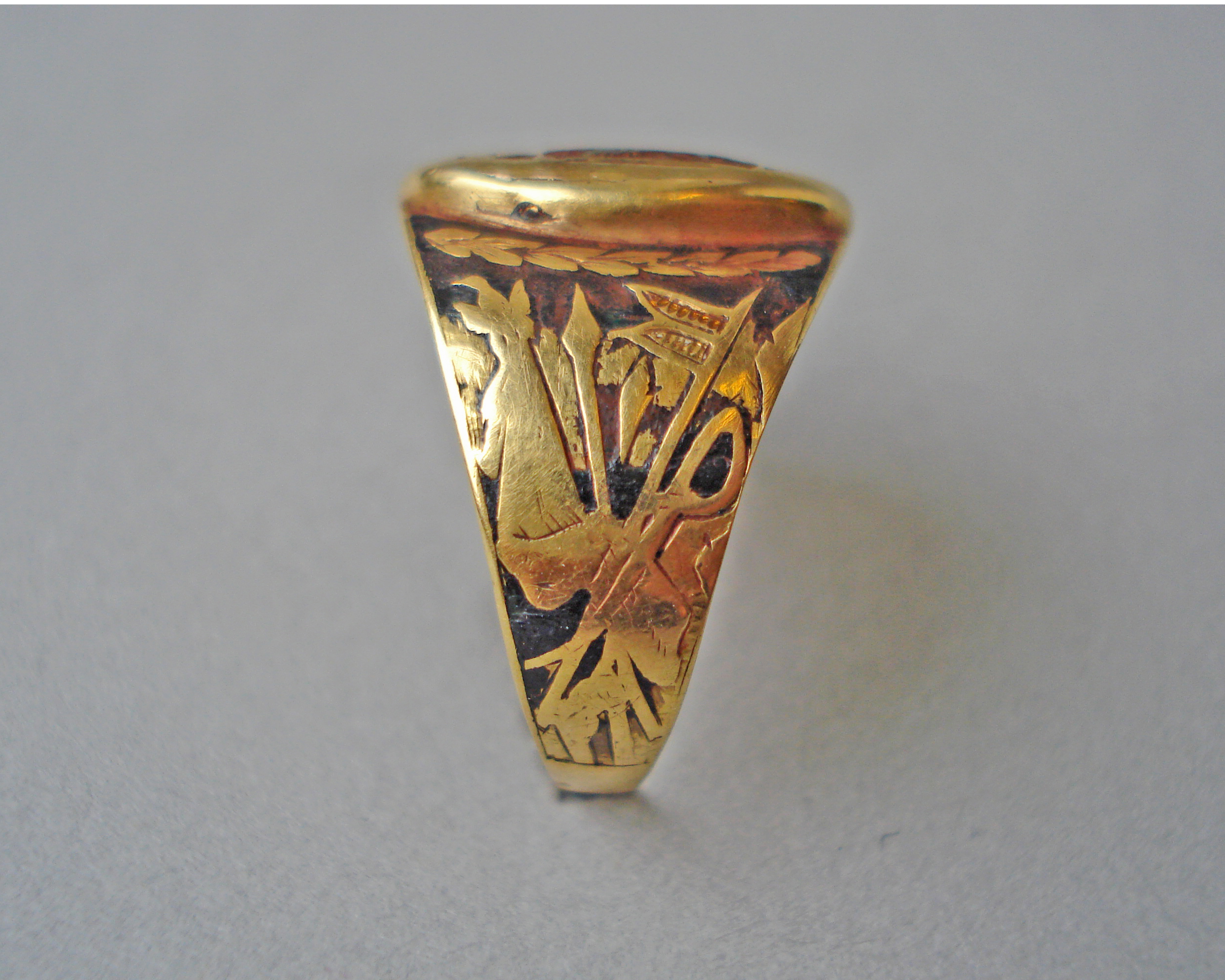
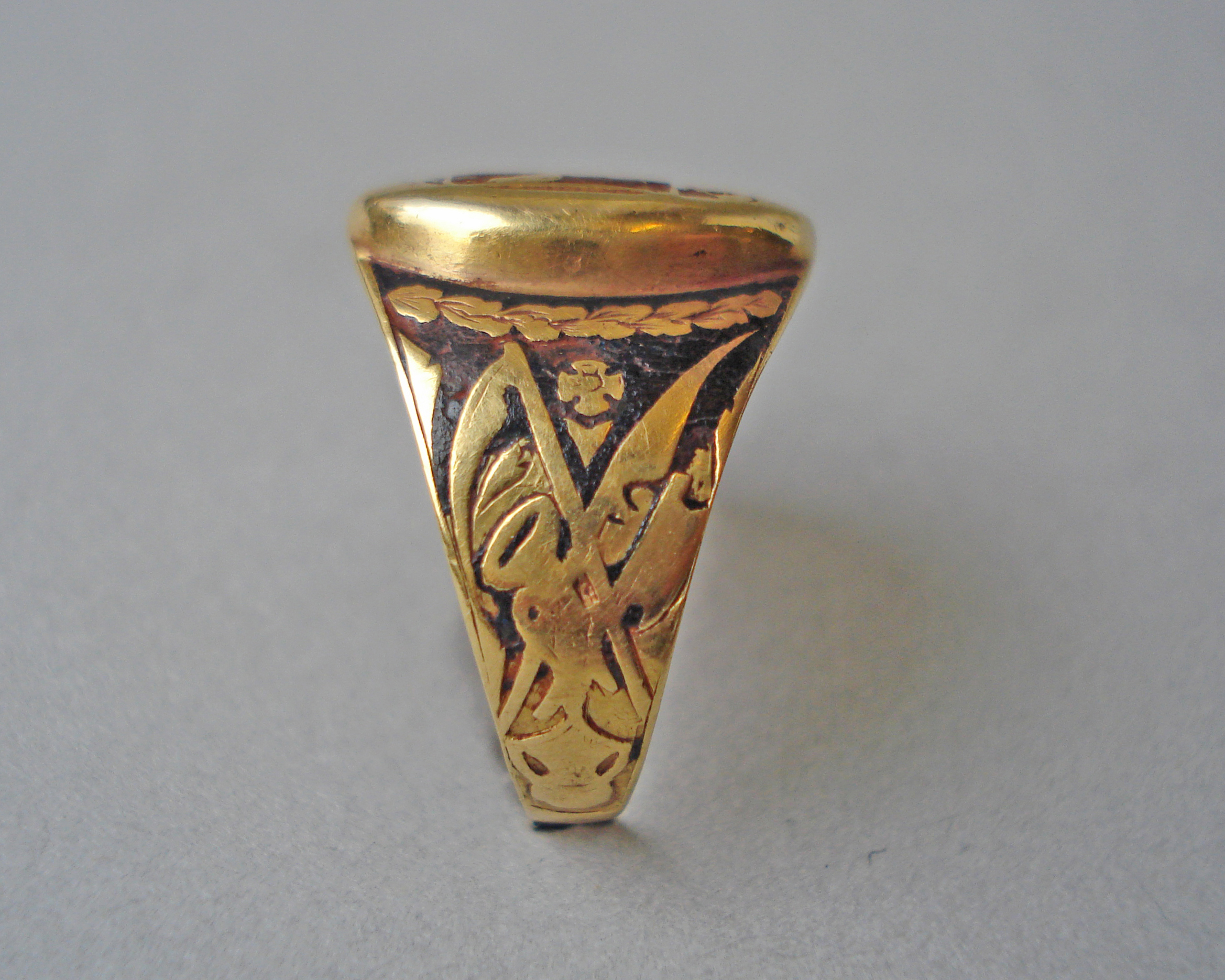
It’s as if the opposing topologies of the ring (interior inscription - exterior engraving) are not only separated by the gold band, but also by a language barrier - a problem of translation. The inscription communicates something that the engraving cannot: one is not reducible to the other. This space - this difference - is not featureless; it is not a “mere difference between objects”.
The engraving on its own is a patriotic expression from a time gone by. The inscription on its own is inspiring yet tragedy-stricken. The gap in between is a difference which “is itself an object”.
Somehow in the space between inscription and engraving, the observer witnesses the tumultuous history of Poland-Lithuania - its annexations, partitions, its failed uprisings and ultimate collapse … the history of Kosciuszko and so on…
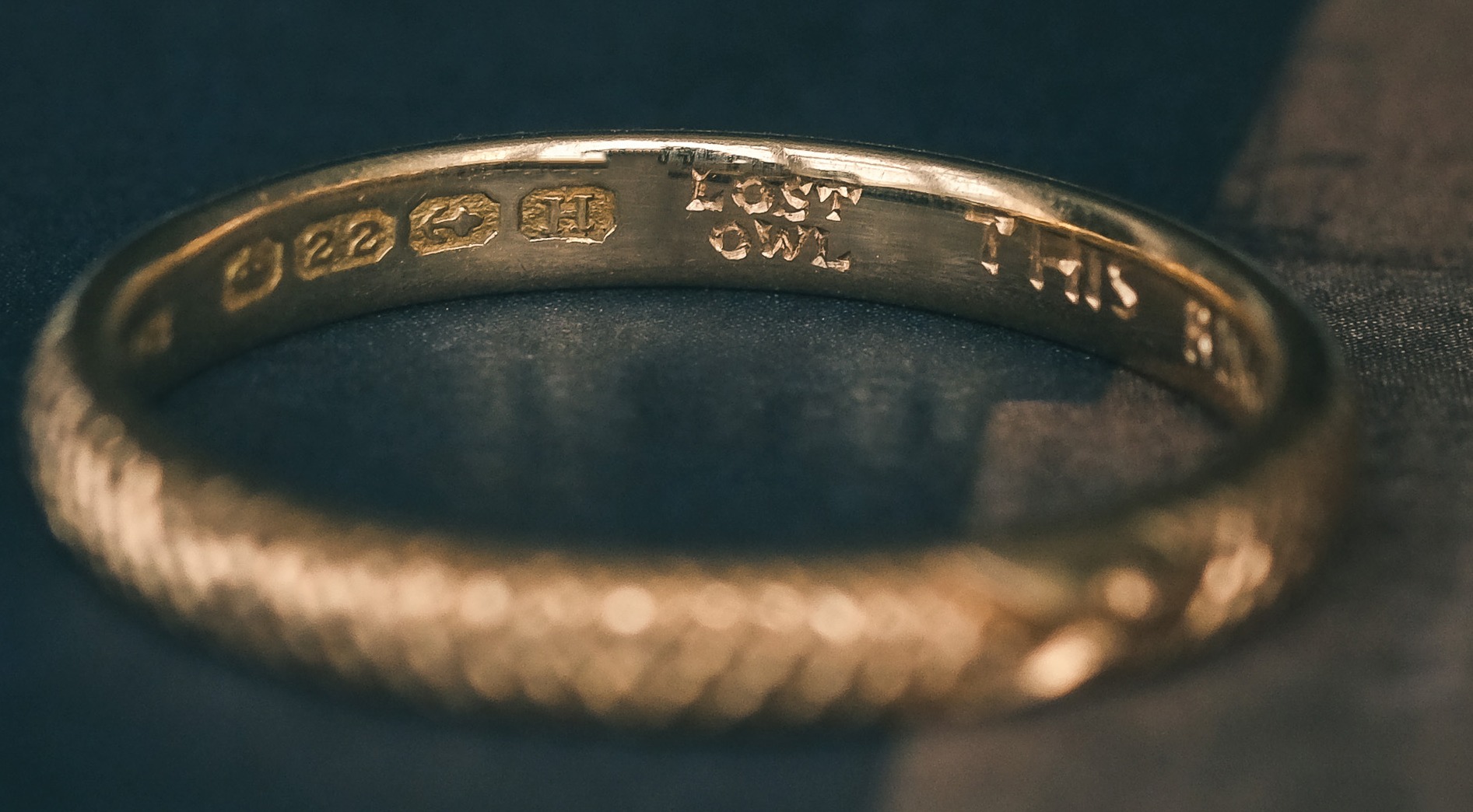
The blind spot is precisely this “pure difference”: an emptiness or absence with positive characteristics. It is, as Žižek says,
“the point from which the object itself returns (your) gaze”.
The blind spot is a feature which is “in the object more than the object itself”. What is unseen is somehow more real than what is seen.
The key to Modern Posy Rings - I include Lost Owl’s collection and the Poland-Lithuania ring in this category - is not that they codify a message in a symbol. They do not.
One object (symbol) confronts the other object (message). And this confrontation produces the invisible presence; the blind spot emerges.
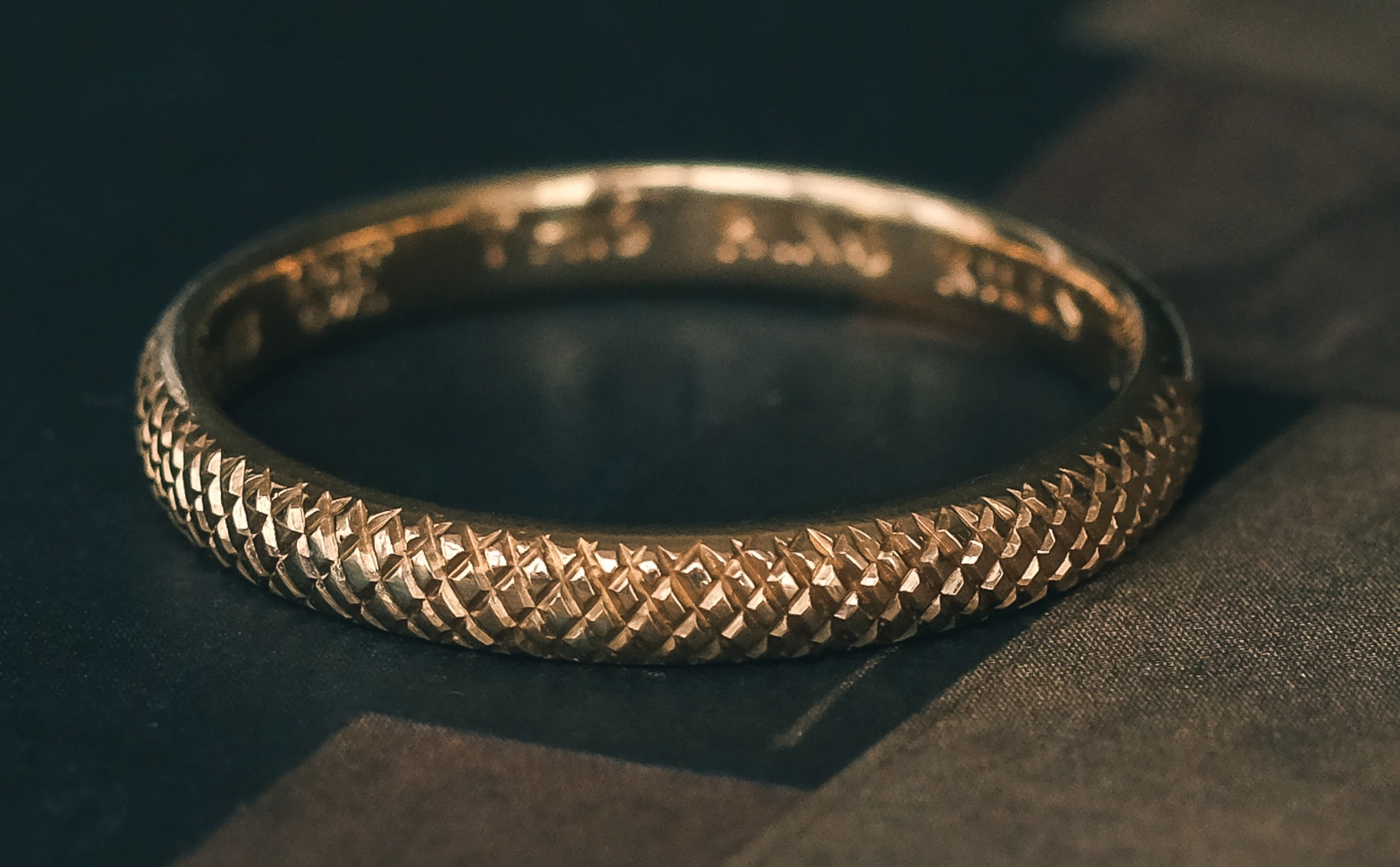
To quote from Žižek again, in his magnum opus "The Parallax View", he writes:
“the other perspective fills in this void of what we could not see from the first perspective”
Žižek names this difference “the parallax gap”. From there, from the blind spot - from this elusive insubstantial space - the ring looks back at you.
From this viewpoint one can see, claims Žižek, that...
“I myself am included in the picture constituted by me”.
The parallax gap in the modern posy ring transforms you - the observer - into the observed. You become the object of the ring’s gaze, a character in its story. But how?
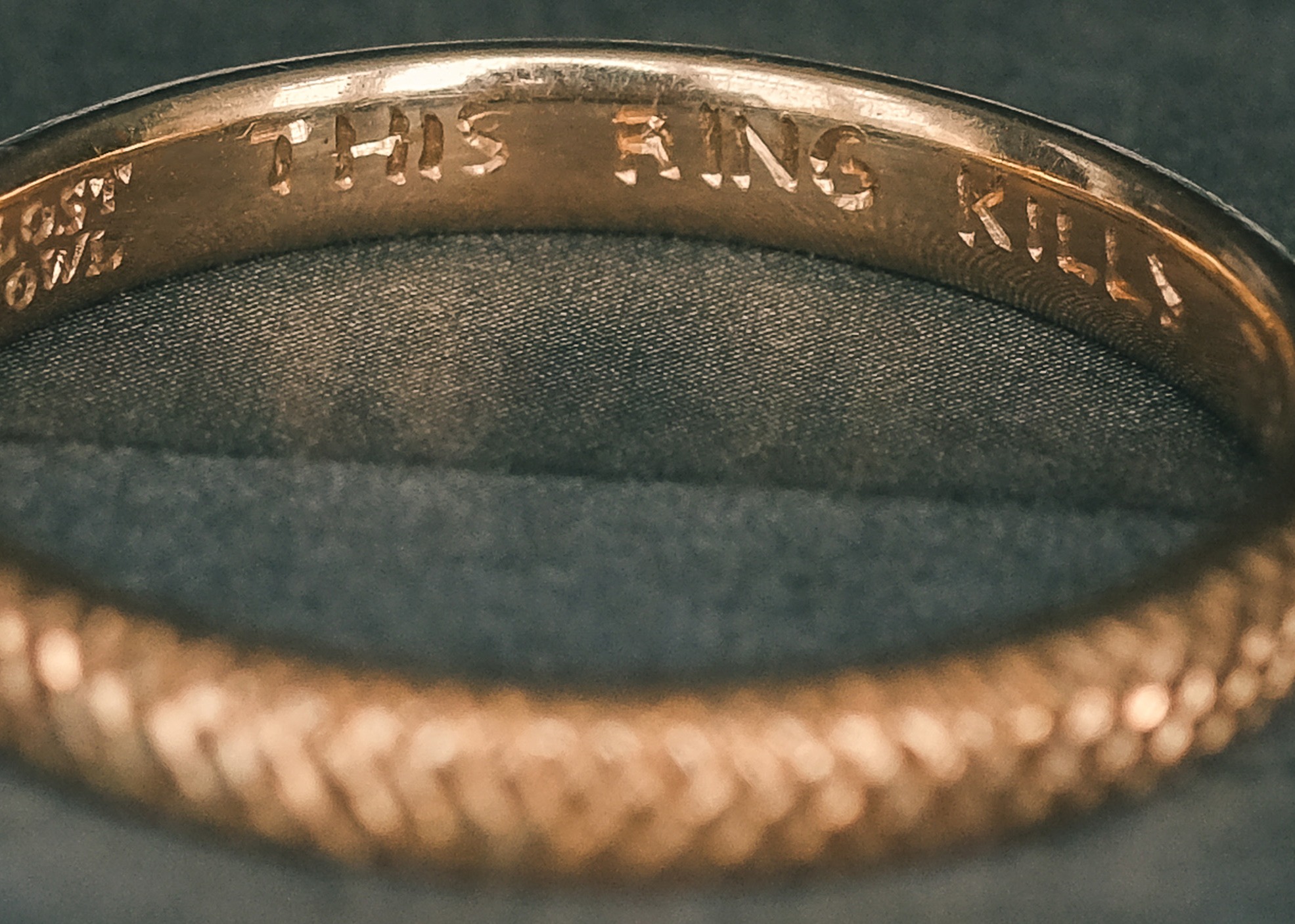
G.K. Chesterton wrote in a letter…
“I judged the Poles by their enemies… If a man loved slavery, if he loved usury, if he loved terrorism and all the trampled mire of materialistic politics, I have always found that he added to these affections the passion of a hatred of Poland.”
Chesterton does not observe the object (Poles/Poland) and draw a conclusion. He observes the object from different viewpoints (Chesterton viewing the Poles + Enemies of Poles viewing the Poles).
His judgement can only be made when he takes a second view. And from the second view he looks back at himself:
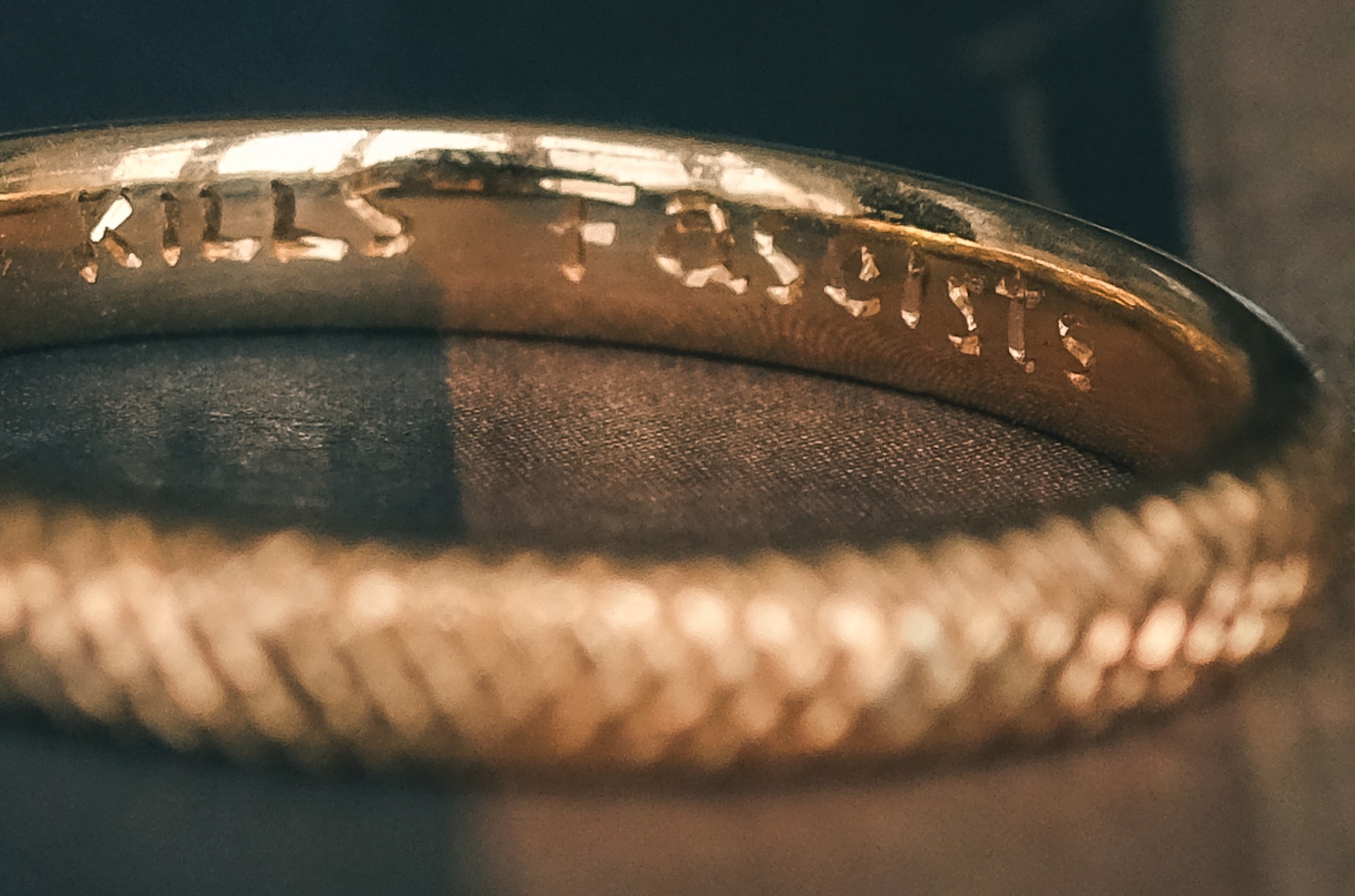
"This Ring Kills Fascists", a Modern Posy Ring by LOST OWL
On the exterior, the ouroboros
Chesterton does not observe the object (Poles/Poland) and draw a conclusion. He observes the object from different viewpoints (Chesterton viewing the Poles + Enemies of Poles viewing the Poles).
His judgement can only be made when he takes a second view. And from the second view he looks back at himself:
Again quoting from Žižek:
“Sure, the picture is in my eye, but I, I am also in the picture”
Chesterton - the observer - must observe himself in order to make his judgement. “If a man loved slavery, if he loved usury, if he loved terrorism…”
“Am I that man” I hear Chesterton asking? He looks at Poland and Poland looks back.
But let us rephrase Chesterton's words, infusing them with the spirit of Lost Owl’s Modern Posy Rings.
“I judged the ring by its enemies…
If a man loved slavery, if he loved usury,
...I have always found that he added to these affections
the passion of a hatred of this ring.”
A modern posy ring confronts a vague idea with a clear image. It shows that one coordinate is not enough: that the perfectly crafted symbol is not enough since, although it is clear and beautiful, it is a fantasy, a dream, and necessarily incomplete.
Nor, despite its eloquence, is the word enough since it can only be an approximation, vague and imprecise, even a deceit.
But as she contemplates these irreconcilable dimensions of the object, she the subject, the wearer, falls into the space in between, falling not into void but into the mythology of the ring itself - into the ring’s cosmos - and there, entangled, standing both inside and outside she sees that the enigma, the cipher holding together the dream of her sisters and brothers is herself.
Sure, the ring is in my eye but I,
I am also in the ring.
BIBLIOGRAPHY
- James, C. L. R. ; THE BLACK JACOBINS, Penguin books (1938)
- KĘPA, Marek; Pirates, Freedom, and a Voodoo Goddess: The Story of Polish Haitians - link
- Duncan, Mike; REVOLUTIONS (podcast), Episode 4.16 "Dying like Flies"
- Saroléa, Charles; Letters on Polish Affairs, Introduction by Chesterton, G.K.; Edinburgh: Oliver and Boyd, (1922)
- Žižek, Slavoj. The Parallax View. Cambridge, MA: MIT Press, (2006)